
University Programmes 20 July 2026
Studying Architecture and Design in Italy
Studying architecture and design in Italy: the portfolio and careers.
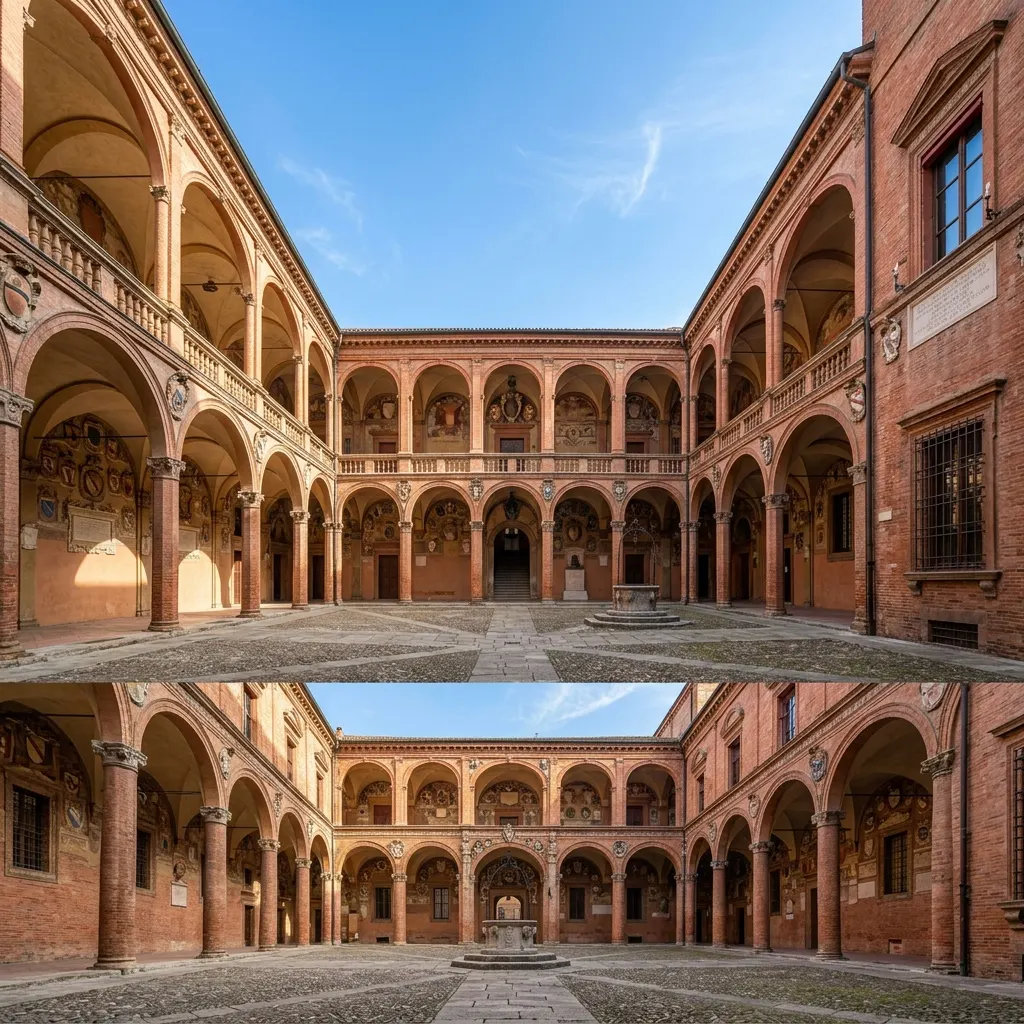
One of the world capitals of design and architecture, Italy is an inspiring destination for Turkish students who want to study these fields. In this post we look at architecture and design education in Italy.
Why design in Italy?
Italy has a world reputation in fields such as architecture, industrial design, fashion and interior design. The country’s rich history, aesthetic tradition and strong design sector offer students an inspiring learning environment. Milan is one of the world’s capitals of design and fashion. This ecosystem gives design students unmatched opportunities both academically and in industry. For Turkish students, a design education in Italy combines a quality education with a strong sector network. This is a valuable advantage for the start of a career.
Types of programme
In architecture and design in Italy there are programmes at both state universities (for example the architecture and design faculties of the Politecnicos) and private design schools. The fields spread across a wide range: architecture, industrial/product design, interior design, fashion design, graphic and communication design. State universities are more economical and richer in scholarships, while private design schools can be closer to industry and more practice-focused. Which type of programme suits you depends on your goals and budget. It is important to research the options well.
The portfolio and application
Most design and architecture applications want a portfolio (a body of work) alongside the academic documents. The portfolio is the most important element showing your creative ability and design thinking; it forms the heart of your application. Some programmes also hold an entrance exam or interview. Preparing your portfolio carefully by the programme’s expectations markedly raises your chance of acceptance. Your academic documents also need diploma-transcript recognition and translation. For the translation of application documents, see our university application translation page.
The language option
In architecture and design there are both Italian- and English-taught programmes; English-taught master’s aimed at international students are common in particular. An English-taught programme opens the door to students who do not speak Italian; but learning Italian is a great advantage for joining fully in Italy’s design culture and bonding with the industry. Make your language choice by both your academic and long-term career goals. In design, the local language makes a difference in the studio and the sector setting. This balance can affect your choice of programme.
Milan and the design ecosystem
Milan is one of Italy’s and the world’s capitals of design and fashion; it hosts countless design studios, fashion houses, fairs and events. Studying in this city offers students unique opportunities for internships, networking and direct contact with the industry. But Milan is also one of Italy’s most expensive cities; so scholarship and housing planning matter. You must balance the opportunities the design ecosystem offers with the cost of living. DSU hall and grant support can help with this balance. The network the city offers is priceless for a career.
Scholarships and cost
For design and architecture programmes at state universities, channels such as the income-based DSU grants, fee exemptions and MAECI apply. At private design schools there may be institution-specific scholarships, but the cost is usually higher. It is important to weigh your budget and scholarship eligibility together with your choice of programme. In expensive cities such as Milan in particular, scholarship support can be decisive. To see which scholarships suit you, see our scholarships section. Financial planning is critical for the sustainability of a design education.
Career opportunities
A design and architecture education in Italy is backed by a strong sector network and an international reputation. Graduates find career opportunities in Italy’s lively design and fashion sector or at international firms. The portfolio, internship experience and network you build during your studies set your path after graduation. Learning Italian is an important advantage for a lasting design career in Italy. Keeping your career goals aligned with your choice of education and city is the most efficient approach. Sector experience is the foundation of a design career.
How to start
Start towards an architecture or design goal by clarifying your sub-field and listing strong institutions (state universities and private schools) in that field. Start your portfolio preparation early; it is the most important part of your application. Note each programme’s language, portfolio and document requirement. You must start document preparation (apostille, translation, recognition) early too. For your document translations you can take a free quote, and for the whole of the processes see our guide library.
Frequently asked questions
Is a portfolio required for a design application?
Most architecture and design programmes want a portfolio; it is the most important element showing your creative ability.
Are there English-taught programmes for design?
Yes; English-taught design programmes aimed at international students are common, especially at master’s level.
Is Milan very expensive?
Yes, it is one of Italy’s most expensive cities; but DSU grants and hall support can balance the cost.
For the sworn translation of your documents in your Italy applications, you can take a free quote; for the processes, see our guide library, and for the scholarship channels, our scholarships section.