
University Programmes 20 July 2026
How the Bachelor’s Application System Works in Italy
The bachelor's application system in Italy: recognition, Universitaly, exam and visa.
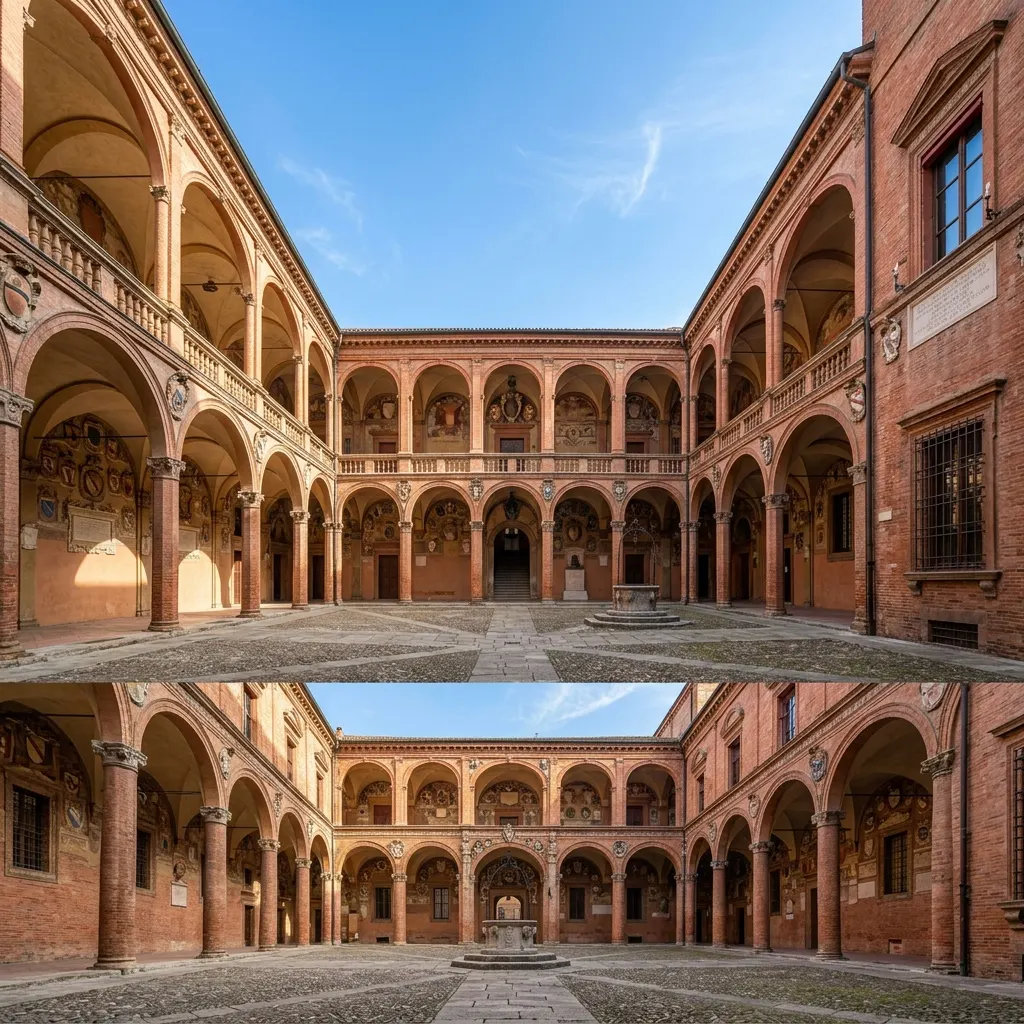
For Turkish high-school graduates who want to apply for a bachelor’s in Italy, the process runs in a set order through recognition and pre-enrolment steps. In this post we explain Italy’s bachelor’s application system step by step.
The basic logic of a bachelor’s application
In Italy, a bachelor’s application for international students generally involves degree recognition, the Universitaly pre-enrolment and the application to the university. The process differs in some respects from that for Italian/EU students; for non-EU students there is a separate quota and pre-enrolment procedure. The basic logic is this: your high-school diploma is recognised, your programme choice is stated through Universitaly, and this is linked to your visa process. Completing these steps in the right order and on time is needed for a smooth application. Understanding the system from the start lets you make the right decisions throughout.
The high-school diploma and recognition
The basis of a bachelor’s application is your high-school diploma and transcript. These documents must be apostilled and sworn-translated, and a CIMEA report or a Dichiarazione di Valore (DoV) from the consulate must be obtained for your degree’s recognition. Some countries’ education systems may require an extra condition for direct entry to an Italian bachelor’s (for example a certain number of university years or an exam); check these conditions currently. For recognition, see our DoV guide. Degree recognition is the critical first step of a bachelor’s application.
The Universitaly pre-enrolment
For international students, the central step of a bachelor’s application is the pre-enrolment done through the Universitaly portal. At this step you state your programme choice and register the required documents in the system; the pre-enrolment is later linked to your visa application at the Italian consulate. Universitaly opens in certain periods and keeping to the calendar is critical. You must follow the portal’s current requirements and deadlines. This step is the bridge that links the application and the visa process. For the processes, see our guide library.
Entrance exams and quotas
In Italy some bachelor’s programmes are open-access, while others are quota-limited and require an entrance exam. For example, the IMAT is held for medicine and online assessments for some engineering programmes. In quota-limited programmes your exam score determines your placement. Learning which programme needs an exam and the quota rules before applying lets you set a realistic strategy. Preparing early for programmes that need an exam is essential. The quota and exam rules must be followed currently from official sources.
The language condition
For Italian-taught bachelor’s programmes a B2-level Italian certificate (CILS, CELI or PLIDA) is generally wanted; some programmes also apply an extra Italian language exam. English-taught bachelor’s programmes need IELTS/TOEFL. Meeting the language condition before applying is one of the critical steps of the process. Confirm from the programme which level and which certificate is needed. The language certificate proves you are proficient in the language of instruction. Starting language preparation early lets you keep to your application calendar.
Document preparation
A bachelor’s application needs the high-school diploma, transcript, recognition document (CIMEA/DoV), language certificate and passport. The academic documents must be apostilled and sworn-translated. Consistency in the spelling of names and preparing the documents in the right order matter. As document processes can take weeks, you must start early. For the translation of your documents, see our university application translation page, and for an exact price our free quote page. Complete document preparation is the foundation of your application.
Visa and enrolment
After the Universitaly pre-enrolment and acceptance, a student visa is obtained from the Italian consulate, and on arrival in Italy the final enrolment at the university and the residence-permit (permesso di soggiorno) procedures are done. Each of these steps needs a certain calendar and they are linked. Starting the visa process as soon as an acceptance arrives lets you reach the academic year on time. For the visa and residence processes, see our guide library. These final steps complete your transition to studying in Italy.
Calendar and planning
Gathering all the steps of a bachelor’s application (recognition, Universitaly, entrance exam, language certificate, visa) into a single calendar lets you miss no step. As document processes take the longest, planning back from the application deadline is essential. Starting early and with a plan is the safest way through a bachelor’s application. Follow official sources for the whole of the processes and the current requirements, and for document preparation see our guide library and free quote page. A planned approach makes the process calm.
Frequently asked questions
Is the Universitaly pre-enrolment compulsory?
For most international students, yes; it is the official step where you state your programme choice, linked to the visa.
Is my high-school diploma directly valid?
A CIMEA/DoV is needed for its recognition; for some systems there may be extra conditions (university years, etc.). Check the current rules.
Which language certificate is needed for a bachelor’s?
For Italian-taught programmes generally B2 (CILS/CELI/PLIDA), for English-taught ones IELTS/TOEFL.
For the sworn translation of your documents in your Italy applications, you can take a free quote; for the processes, see our guide library, and for the scholarship channels, our scholarships section.