
University Programmes 20 July 2026
State or Private University in Italy?
State vs private university in Italy compared: cost, scholarships, quality.
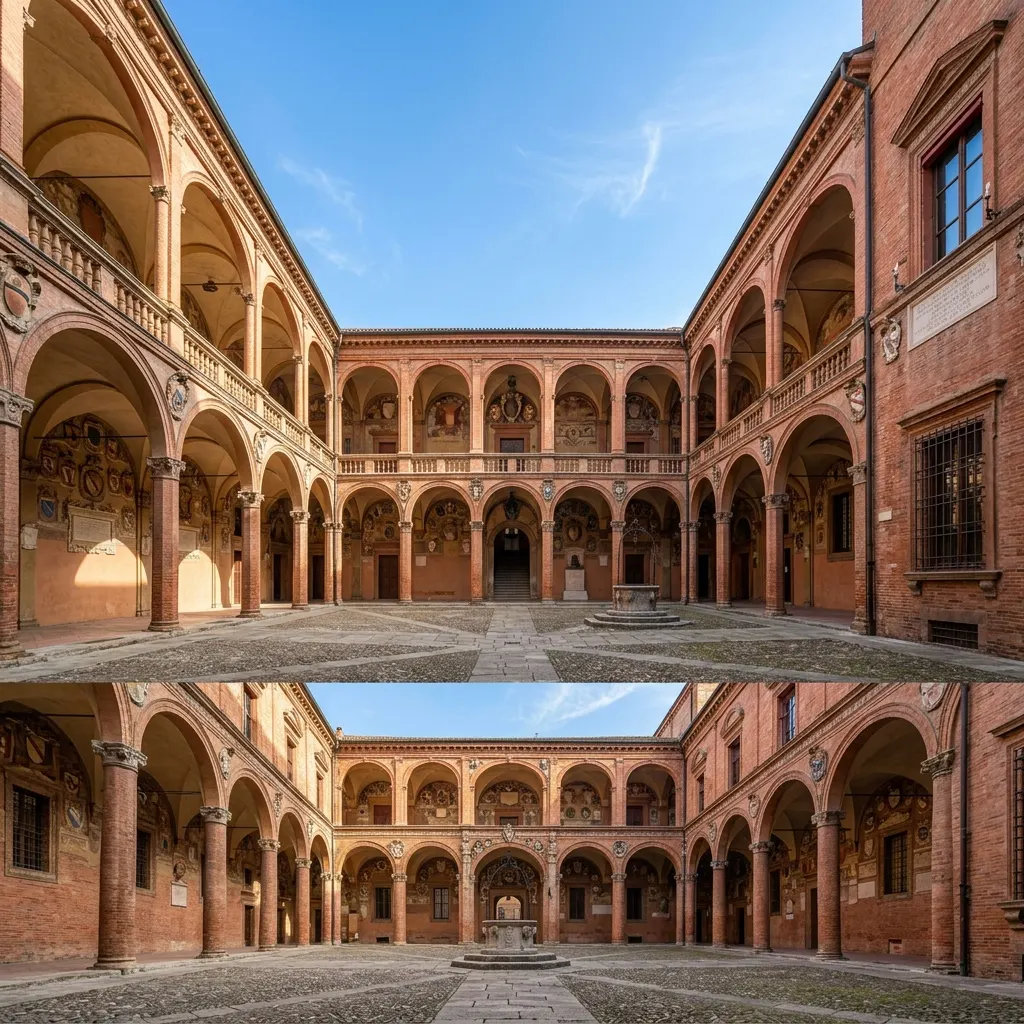
One of the first decisions for Turkish students who want to study in Italy is whether to choose a state or a private university. In this post we compare the two options on cost, scholarships, quality and application.
The university structure in Italy
Higher education in Italy rests largely on state universities; most of the country’s most storied and prestigious institutions are public universities. Alongside these there are also fewer but, in certain fields, strong private universities. State universities offer an income-based fee system and strong student rights, while private universities usually promise higher fees but smaller classes and close ties to industry. For Turkish students, this distinction is decisive for both cost and academic experience. The right choice depends on your goals and budget.
The cost difference
The clearest difference is in cost. At state universities the fee is tiered by your family’s income (the ISEE); low-income students pay a very low fee or get an exemption. At private universities the fees are usually fixed and higher, and no large income-based discount is expected (though there may be merit scholarships). So for students on a tight budget, state universities are almost always more advantageous. For the fee-income relationship, see the DSU system. Cost is at the centre of the decision for most students.
Scholarship options
On scholarships, state universities offer a strong support network with income-based DSU grants, fee exemptions and national programmes such as MAECI. Private universities also have merit and need scholarships, but the system is institution-specific and its scope varies. In the state system, the scholarship channels are more predictable and varied. To see which scholarships suit you, see our decision guide. Your scholarship strategy can directly affect your university choice.
Academic quality and reputation
In Italy, academic reputation depends on the institution and programme far more than the “state” or “private” label. Many state universities are top-ranked in the world rankings; some private universities stand out in fields such as business and design. So quality is not a matter for generalisation; you must assess each programme on its own. Researching which institution is strong in your target field is the truest guide, beyond the rankings. Reputation affects your career after graduation too.
The application-process difference
State universities usually work for international students through the Universitaly pre-enrolment and standard document processes; the application rules are largely common. Private universities work more independently, with their own application portals, their own calendars and sometimes their own entrance exams. So when applying to private universities you must follow each institution’s own process separately. In both cases, the diploma, transcript translation and recognition documents are essential. For the application documents, see our university application translation page.
The language option
Both state and private universities have English-taught programmes, but the spread varies by field. Private universities often weight English-taught programmes to attract international students; at state universities Italian-taught programmes are more common, though the number of English options is rising fast. Which language you want to study in can affect your choice of institution. Italian-taught programmes are usually more economical and richer in scholarships, while English-taught ones offer a more international setting. The language decision shapes both your academic and social experience.
Which for whom?
For students on a tight budget seeking strong scholarship support and wanting to study at storied institutions, state universities are usually the most sensible choice. For students seeking a close-to-industry, small and international setting in a certain field (for example design, business) and whose budget allows, private universities can be valuable. The decision should be set by your target field, budget and scholarship eligibility. It is best to weigh both options concretely by your own situation.
When deciding
In deciding between state and private, answer these questions: How big is your budget? Are you eligible for a scholarship? Which institution is strong in your target field? Which language do you want to study in? These answers clarify the right path for you. For most Turkish students, state universities stand out with strong scholarship support and a low cost; but the final decision is personal. For the translation of your documents you can take a free quote, and for the process see our guide library.
Frequently asked questions
Are state universities higher quality than private ones?
Quality depends on the institution and programme; in Italy many storied state universities are top-ranked, and some private ones are strong in certain fields.
Are there scholarships at a private university?
Yes, there may be institution-specific merit and need scholarships; but they are not as predictable as the income-based scholarships in the state system.
Which is cheaper?
Usually state universities; the fee is tiered by income and an exemption is possible.
For the sworn translation of your documents in your Italy applications, you can take a free quote; for the processes, see our guide library, and for the scholarship channels, our scholarships section.