
University Programmes 20 July 2026
Studying Engineering in Italy
Studying engineering in Italy: leading institutions, scholarships and internships.
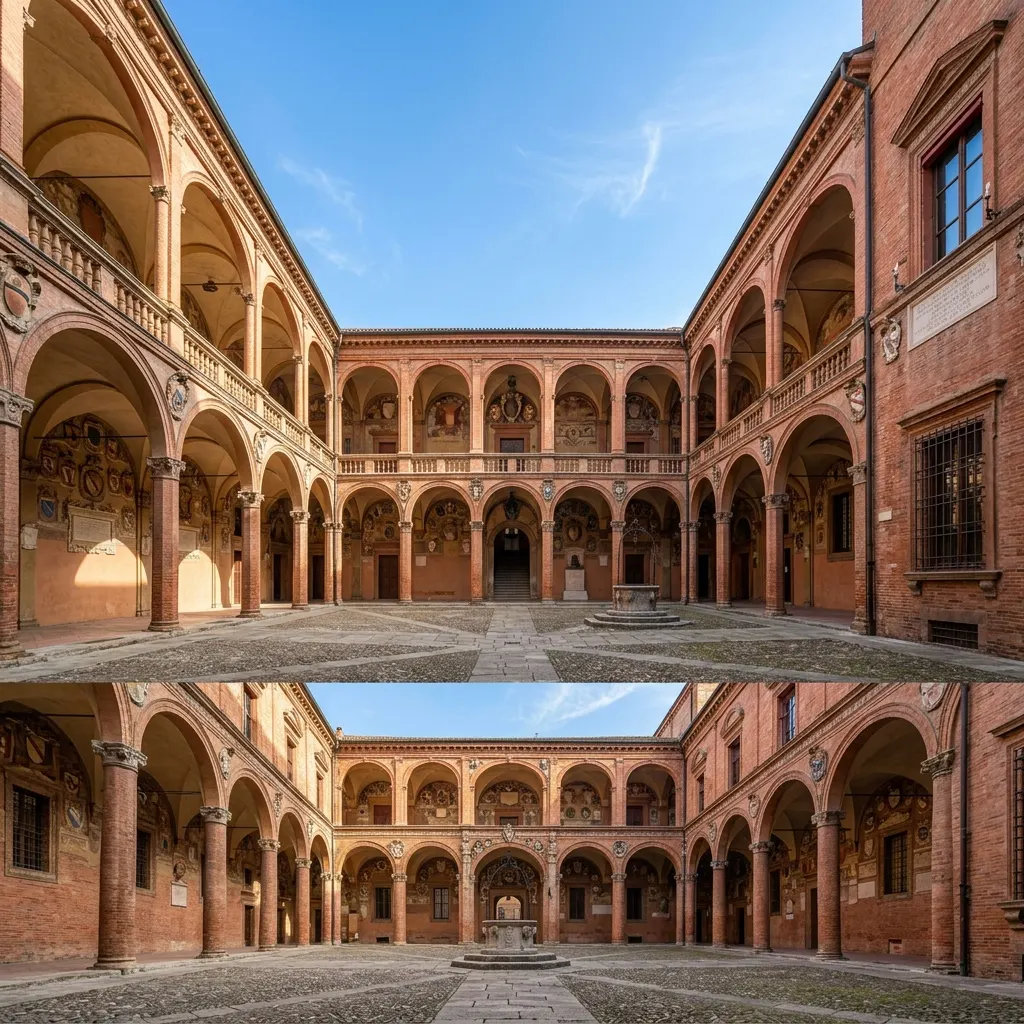
With its strong technical universities and industry ties, Italy is a top destination for Turkish students who want to study engineering. In this post we look at engineering education in Italy, the leading institutions and the application process.
Why is engineering strong in Italy?
With its storied technical universities (the Politecnicos) and strong industrial infrastructure, Italy is one of Europe’s leading countries in engineering education. Italian engineering is world-renowned in fields such as automotive, mechanical, design, aerospace and civil. The universities combine a theoretical education with close industry collaboration, giving graduates a strong career foundation. The abundance of English-taught engineering programmes opens the door to students who do not speak Italian too. This combination makes Italy an appealing destination for engineering.
The leading institutions
The institutions that come to mind first for engineering in Italy are Politecnico di Milano and Politecnico di Torino; both rank highly in the world rankings and offer a wide range of English-taught programmes. Alongside these, many storied state universities have strong engineering faculties. It is important to research which institution is strong in your sub-field (for example computing, biomedical, energy). The choice of institution affects both your academic and career opportunities. In-depth research by field is the key to the right choice.
The abundance of English-taught programmes
Engineering is one of Italy’s richest fields for English-taught programmes. At master’s level in particular there are many English-taught programmes; options are rising at bachelor’s level too. This lets students who do not speak Italian access a world-class engineering education. Even so, basic Italian is useful for daily life and internships. For more on the English-taught programme options, see our related post and the target universities’ catalogues. The language option makes the engineering path more accessible.
Application and entry conditions
Engineering-programme applications usually want a strong maths-science background, the transcript and, in some programmes, an entrance exam or online assessment (such as the TOL/TIL). For a master’s, a relevant bachelor’s degree is essential. Degree recognition (CIMEA/DoV) and a language certificate are needed too. You must check each programme’s entry condition separately. For the translation of your application documents, see our university application translation page. A correct application should reflect your technical background in full.
Scholarships and cost
Engineering students benefit from Italy’s scholarship system too: income-based DSU grants, fee exemptions, MAECI and the Invest Your Talent programme in particular. As IYT offers a grant and an internship at Italian companies in an English-taught master’s in technical fields such as engineering, it is especially valuable for career-focused engineering students. These provisions make an engineering education strong both economically and career-wise. For scholarship options, see our Invest Your Talent page. A scholarship supports your technical education while gaining you experience too.
Internships and industry ties
One of the strongest sides of Italian engineering education is its close ties to industry. Many programmes include an internship as part of the curriculum, and the universities collaborate with leading Italian industrial firms. These connections give students real project experience and post-graduation job opportunities. Internship opportunities are especially intense in the industrial regions of northern Italy. Choosing a programme with internships that support your career goals raises the return on your education. Sector experience is the cornerstone of an engineering career.
Career opportunities
Engineering graduates in Italy have wide career opportunities across both Italy and Europe. The strength of Italian industry offers a stable job market for technical graduates; also, an EU degree eases mobility across Europe. Learning Italian is an important advantage for a lasting career in Italy. You must plan for the post-graduation residence and job-search processes. Keeping your long-term career goals aligned with your choice of education is the most efficient approach. This dimension should be considered in choosing a university.
How to start
Start towards an engineering goal in Italy by clarifying your sub-field (computing, mechanical, civil, etc.) and listing strong universities and English-taught programmes in that field. Note each programme’s entry condition, application calendar and scholarship options. Start document preparation (apostille, translation, recognition) early. This planned approach makes your engineering application smooth. For your document translations you can take a free quote, and for the whole of the processes see our guide library.
Frequently asked questions
Are there many English-taught engineering programmes?
Yes; engineering is one of Italy’s richest fields for English-taught programmes, especially at master’s level.
Which scholarships are there for engineering?
The DSU, fee exemptions, MAECI and the Invest Your Talent programme, which offers an internship and a grant, stand out.
Is there an entrance exam?
Many programmes want an online assessment (such as the TOL/TIL) or an entrance exam; check each programme’s condition.
For the sworn translation of your documents in your Italy applications, you can take a free quote; for the processes, see our guide library, and for the scholarship channels, our scholarships section.