
Italy Scholarships 20 July 2026
Studying Almost Free in Italy with a DSU Grant
Studying in Italy with a DSU grant: scope, ISEE Parificato and applying.
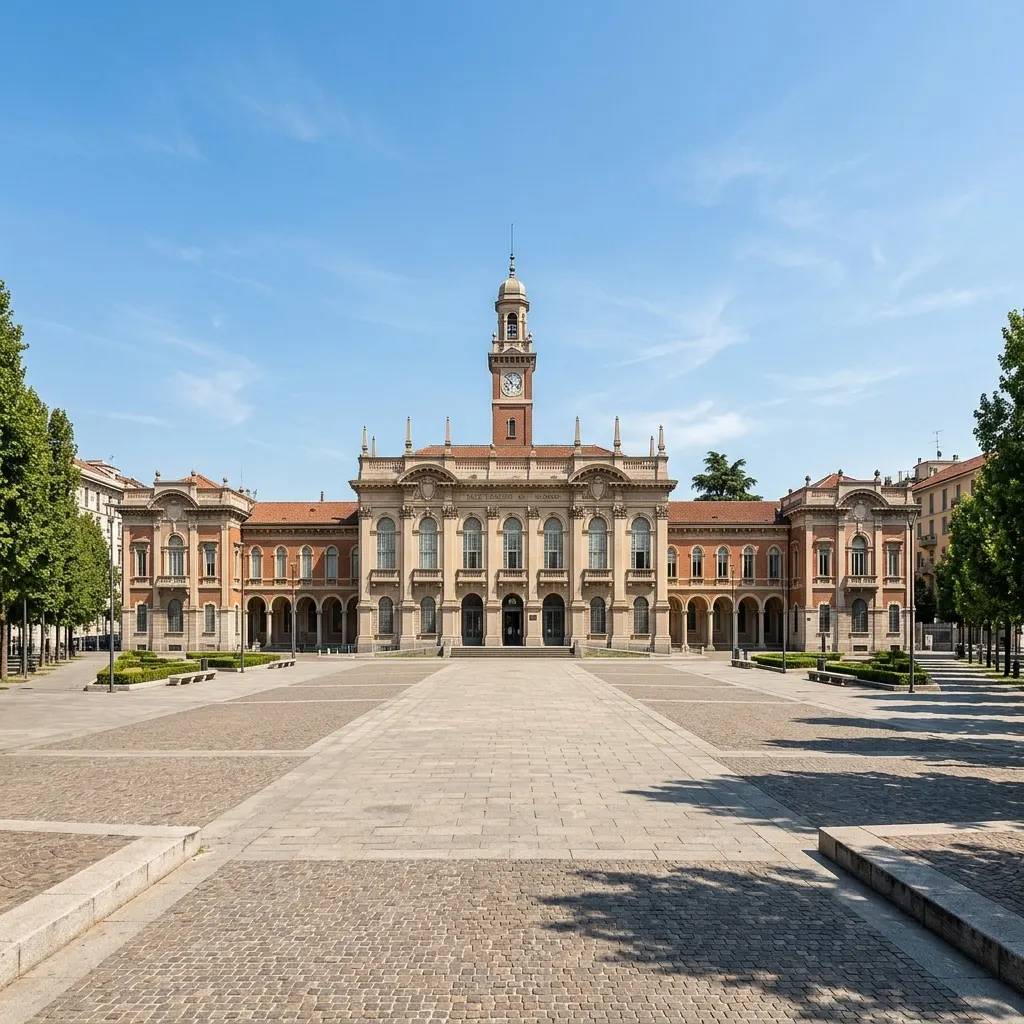
The regional DSU grants can make an education in Italy almost free for low-income students: a cash grant, halls, canteen and a fee exemption together. In this post we explain how the DSU works and how to benefit from it.
What is the DSU grant?
The DSU (Diritto allo Studio Universitario) is Italy’s student-right system, run by each region’s student-right agency. It is an income-based grant; your family’s economic situation is decisive. Alongside the cash grant it offers in-kind support such as a hall (residenza) and a canteen (mensa). It is valid at every level, including the bachelor’s. This comprehensive structure makes the DSU the strongest support in Italy for low-income students.
What does it cover?
The DSU grant usually brings together three things: a cash payment, priority for a hall and a canteen right. Also, grant-holders or students found eligible often benefit from a fee exemption too. These elements together largely cover housing, food and the tuition fee — Italy’s largest expense items. In expensive cities in particular, these provisions dramatically lower the cost of student life.
The status for Turkish students
Students from Turkey are almost always in “fuori sede” status (coming from another city and staying in the city where they study); this means they qualify for the highest grant amount and priority for a hall. So the DSU is especially advantageous for international students. Documenting your status correctly (with proof of accommodation) is important.
The ISEE Parificato: the key document
The heart of the DSU application is the ISEE Parificato document, which translates your family’s income and assets into the Italian system. This document is drawn up in Italy through a CAF and requires your family’s apostilled, sworn-translated income documents. As its preparation takes time, starting early is essential. For detail, see our ISEE Parificato page.
The application process
The DSU application is made through the portal of the student-right agency of the region you will study in, not the university. The application opens in most regions in a period stretching from summer into autumn and can usually be made independently of the final enrolment. You must have your income documents and ISEE Parificato ready for this window. For the regional agencies, see our what is the DSU page.
What does “idoneo non beneficiario” mean?
In the DSU results you may come across the phrase “idoneo non beneficiario”: it means you were found eligible for the grant but did not receive the cash at that moment due to a funding shortfall. Although this status looks negative, rights such as the fee exemption usually still apply. Also, you may be able to get extra funding or the grant in a later year. So the region’s funding situation is an important factor in choosing a university.
The city choice and the DSU
The value of the DSU also varies by the city you study in. In expensive cities such as Milan, the hall and canteen are vital, while in the southern and inland cities the already low cost of living is eased further with the DSU. When choosing a region it is wise to weigh both the university’s strength and the region’s funding situation.
Common mistakes in a DSU application
The commonest mistakes in a DSU application are: preparing the ISEE Parificato late, gathering income documents incompletely, trying to apply to the university (instead of the regional agency), and not submitting the accommodation proof on time. Each of these steps is tied to a certain calendar, and if one slips, the grant or hall right can be lost. Also, thinking the “idoneo non beneficiario” status is negative and not using the fee-exemption right is a common loss. Planning the process from the start prevents most of these mistakes.
How do the hall and canteen work?
Under the DSU, students who win a grant or are found eligible get a priority place in the region’s student halls (residenza) and a discounted/free meal right at the university canteens (mensa). These in-kind provisions can be even more valuable than the cash grant, especially in expensive cities such as Milan and Rome. As hall capacity is limited, it is important to keep your place in the application order; if no place is found, the region often pays a housing contribution.
Which regions are more generous?
DSU amounts and funding adequacy vary by region; the north’s industrial regions usually offer higher amounts and less “idoneo non beneficiario” risk, while in some regions the funding can run out earlier. So when choosing a university you must weigh both the programme’s quality and the region’s funding situation. To get to know the regional agencies, see our what is the DSU page.
Frequently asked questions
What is the income condition for the DSU grant?
Your family’s income (ISEE) and assets (ISPE) must be below certain thresholds; the thresholds vary by region and year.
Is the DSU available for a bachelor’s too?
Yes; the DSU is valid at every level, including the bachelor’s. In this it differs from MAECI.
Can the DSU and MAECI be taken together?
If the conditions align, yes in most regions; but some regions may add MAECI to income. Confirm.
For the sworn translation of your documents in your Italy applications, you can take a free quote; for the processes, see our guide library, and for the scholarship channels, our scholarships section.