
Italy Scholarships 20 July 2026
10 Common Mistakes in Italy Scholarship Applications
10 common mistakes in Italy scholarship applications, and how to avoid them.
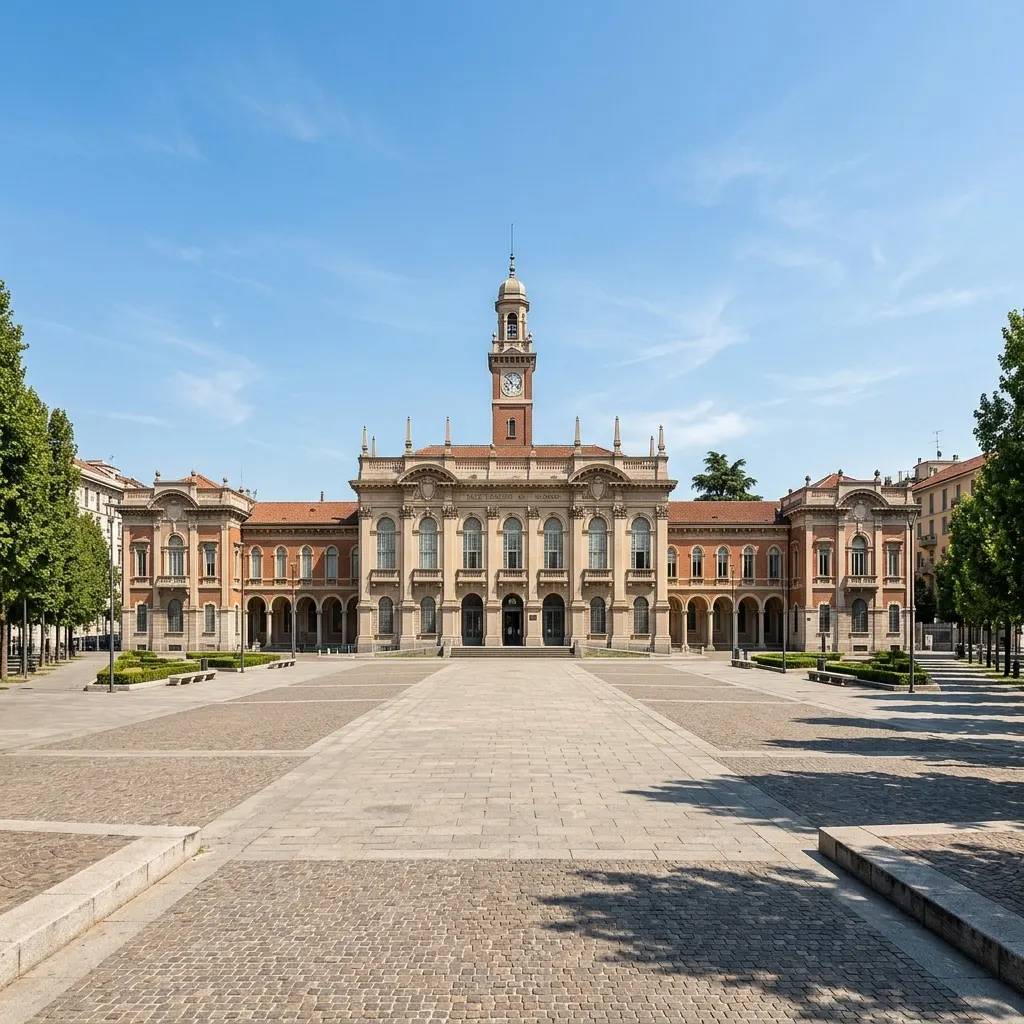
An Italy scholarship application takes care, and every year many students miss the chance through avoidable mistakes. In this post we set out the 10 commonest mistakes and how to avoid them.
1. Missing the calendar
The commonest mistake is missing the application window or the deadline. MAECI and DSU open in certain periods each year. Note the dates from the start and plan all your preparation backwards from them.
2. Leaving documents to the last minute
The apostille, sworn translation and degree recognition take time. Starting them close to the deadline creates the risk of documents not being ready. Plan the document process as your earliest step; you can get a translation price in advance.
3. Choosing the wrong programme
Choosing a programme that does not fit your academic background, or whose language condition you cannot meet, weakens your application. Verify the programme’s language and entry conditions in advance.
4. Expecting MAECI for a bachelor’s
MAECI is not given at bachelor’s level. Bachelor’s students should turn to DSU and university merit scholarships. Not knowing this distinction wastes time.
5. Writing a generic motivation letter
A single, one-size-fits-all motivation letter stays weak. Tailor the letter to each programme; give a concrete answer to “why this programme and university”.
6. Overlooking the language condition
Getting the required language level wrong, or taking the exam late, is a common mistake. Determine your target programme’s language and level early and obtain the certificate in time.
7. Neglecting income documents
Not preparing the income documents and the ISEE Parificato for the DSU leads you to fall into the highest fee band or miss the grant. Even if your family’s income is low, you must document it.
8. Relying on a single channel
Pinning everything on one scholarship is risky. Applying in parallel to several channels you are eligible for (MAECI, DSU, the university) raises your chances.
9. Trusting intermediaries blindly
Official scholarships are applied for directly through official portals, free of charge. Avoid intermediaries promising a “scholarship guarantee”; no intermediary can guarantee acceptance.
10. Forgetting what comes after acceptance
After an acceptance, the visa, residence and enrolment procedures need a calendar too. Planning these steps in advance lets you reach Italy on time. For the processes, see our guide library.
A general strategy to avoid mistakes
The common thread of these mistakes is a rushed, scattered application process. The solution is to draw up a single roadmap: list your target scholarships, note each one’s deadline and document requirement, and plan backwards from the earliest date. Prepare the documents once and use them across several applications. Take the language exam early, write programme-specific motivation letters, and apply to several channels rather than one scholarship. This disciplined approach prevents most mistakes at their source.
How to prevent document mistakes
The costliest mistakes are on the document side: a wrong or uncertified translation, a missing apostille, an incomplete degree recognition. As each of these documents needs official validity, running the sworn-translation and apostille process early with an experienced office reduces the risk. For the sworn Italian translation of your documents you can take a free quote, and for the list of required documents see our guide library.
What to do if you are rejected
If your application for a scholarship is rejected, it is not the end of the road. Most students succeed on a second attempt or through a different channel. Try to understand the reason for the rejection (language, file, timing, quota), close the gaps by the next round, and consider alternative channels (DSU, university scholarships, different universities). With some DSU results, an appeal or a list update is also possible.
Where to get the right information
Wrong or out-of-date information is a source of mistakes too. Trust official sources rather than rumours on social media: the Study in Italy portal for MAECI, the regional agencies for the DSU, the Italian consulate for the visa. These sources give both the most accurate and the most current information. For a plain summary of the processes, our guide library shows the way.
Keep your application file organised
When applying to several scholarships, files getting muddled is a common problem. Open a separate folder for each scholarship, note which document went to which application and the deadlines. Back up the digital copies. This simple order prevents the “which document did I upload where” confusion and last-minute panics; it lets you complete your applications on time and in full.
Ask for reference letters early
Many scholarship and doctoral applications want reference letters. Your professors’ preparing these letters takes time; leaving it to the last day both lowers the letter’s quality and creates the risk of it not being ready. Ask for references at least a few weeks in advance, explaining the programme’s context and the deadline clearly. A strong, timely reference markedly strengthens your application.
Final check: before you submit
Before submitting your application, do one last check: are all fields filled, are the documents in the right format and legible, are the translations certified, does the motivation letter name the right university? A small carelessness (a wrong programme name, a missing signature) leaves a poor impression on meticulous panels. This final check prevents your effort going to waste over a single mistake.
Frequently asked questions
Which is the most critical mistake?
Timing; leaving documents and the language exam to the last minute. Plan all preparation backwards from the deadline.
Does a translation error void the application?
A missing or uncertified translation can put the application at risk; a sworn, accurate translation is needed.
For the sworn translation of your documents in your Italy applications, you can take a free quote; for the processes, see our guide library, and for the scholarship channels, our scholarships section.