
Life in Italy 20 July 2026
Student Halls and Housing Options in Italy
Student housing options in Italy: halls, residences and flat-sharing.
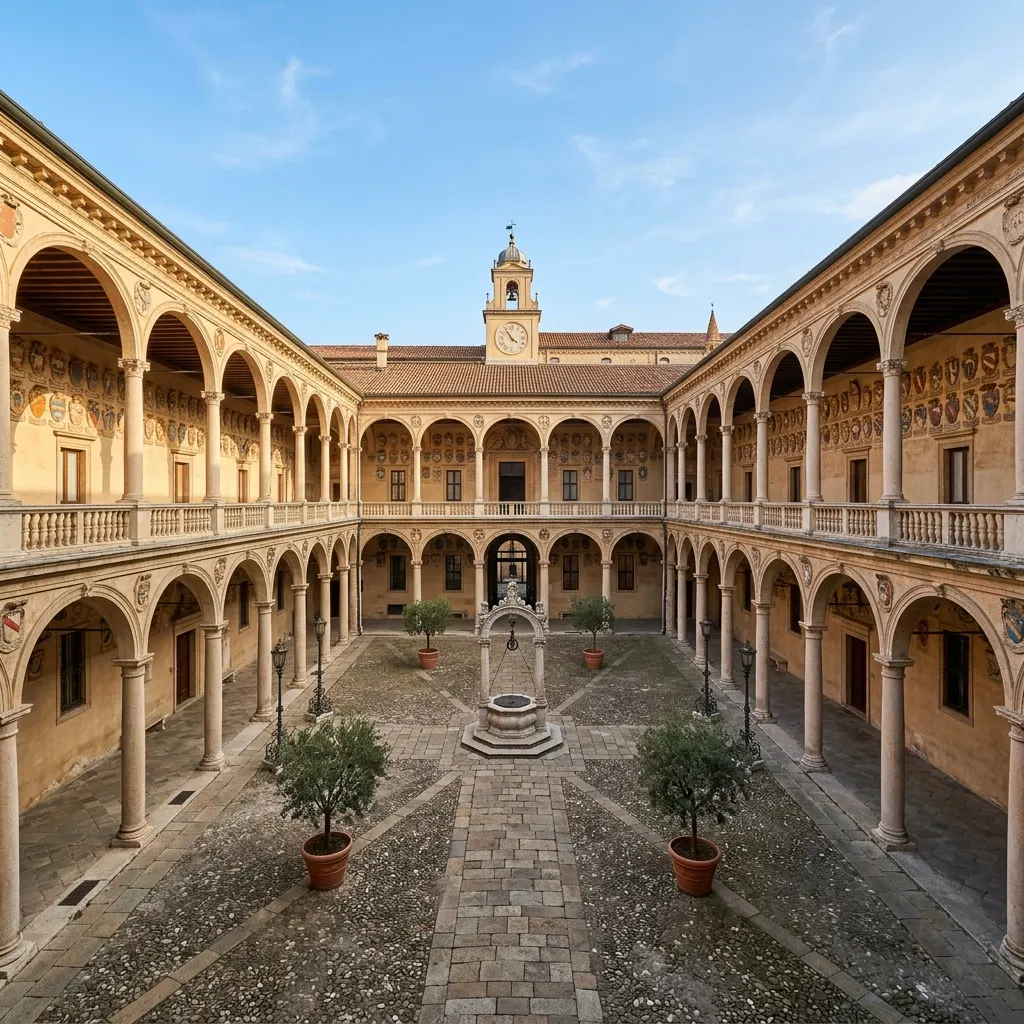
Housing is the largest item in a student budget and one of the most important decisions. In this post we compare Italy’s student halls and other housing options.
Housing options overview
The main housing options for students in Italy are the student halls under the DSU (residenza), private student residences, shared flats (renting a room with a flatmate) and renting alone. Each option differs in cost, social setting and practicality. The most economical option is usually a DSU hall and flat-sharing. Your housing decision greatly affects both your budget and your student experience. So it is important to weigh the options together with your city and budget. The right housing is the foundation of a sustainable student life. Early planning lets you catch the best options.
DSU student halls
The student halls under the DSU (residenza) are the most economical housing option. They are run by the regional student-right agencies and offer priority, very low-cost accommodation to students who win a grant or are found eligible. Students from Turkey generally win priority access to these halls. As hall capacity is limited, it is important to keep your place in the application order. A DSU hall is an option both economical and socially rich. For this provision, see our DSU grants page. A hall is the best way to budget-friendly housing.
Private student residences
For students who cannot find a DSU hall, private student residences are an alternative. These are usually more expensive than DSU halls but offer orderly, student-focused services. They can include furnished rooms, shared areas and sometimes a meal service. The cost varies by city and facility. Private residences may suit students seeking comfort and convenience who cannot get a DSU hall. However, they can be costlier than flat-sharing budget-wise. It is best to compare the options and determine what suits your budget. The balance of comfort and cost matters.
A shared flat (a flatmate)
Living with flatmates by renting a room in a flat (a posto letto or stanza) is one of Italy’s most common and economical forms of housing. It is far more affordable than renting alone and offers a socially rich experience. You can find listings through student groups, university boards and reliable platforms. In flat-sharing it is important to watch the contract terms and flatmate compatibility. This option is ideal for budget-conscious students who cannot get a DSU hall. Flat-sharing combines economy with sociability. Searching through reliable sources is important.
Renting alone
Renting a studio or flat alone is the most private but the most expensive option. In expensive cities such as Milan in particular, this option strains most student budgets. It may be for students who want privacy and independence and whose budget allows. You must watch official requirements such as the rental contract, the deposit and the codice fiscale. This option is markedly heavier financially than the others. For most students, flat-sharing or a hall makes more sense. Renting alone should be chosen only when the budget allows. It is important to calculate the cost in advance.
Care in the renting process
In private renting or flat-sharing it is important to make a written contract, clarify the deposit conditions, sign an official contract with the codice fiscale and avoid advance-payment scams. Do not send money in advance for a home you have not seen. Use reliable platforms and university sources. Read the contract terms carefully. These precautions prevent problems in the housing process. For the documents and processes needed for rental transactions, see our guide library. A careful process is the key to safe housing. Avoid hasty decisions.
The link between housing and residence
The housing document is part of both the visa and the residence-permit application; a proof of where you will stay in Italy is needed (a hall acceptance, a rental contract or an accommodation declaration). So arranging your housing is linked to your official processes too. If you have won a DSU hall right, your hall acceptance can be used as this proof. It is important to plan housing and official transactions together. For the residence processes, see our guide library. Housing is not just a matter of living but also an official-transaction matter. Knowing this link eases the process.
When to arrange it?
It is important to arrange housing as early as possible; the DSU hall application in particular is tied to certain calendars and capacity is limited. Close to the start of the academic year, rental demand in student cities intensifies and good options thin out. Acting early lets you both catch the best options and prepare the housing document for the visa/residence on time. Treat housing planning as an early step of your application process. Early, careful planning removes housing stress. Timing is the key to finding good housing. It is important not to leave it to the last minute.
Frequently asked questions
Which is the most economical housing?
DSU student halls are the most economical option; then comes a shared flat (a flatmate).
What do I do if I cannot find a hall?
A private student residence or a shared flat (renting a room) is an alternative; flat-sharing is usually the most economical.
Is a housing document needed for the visa?
Yes; a proof of accommodation is wanted in the visa and residence application (a hall acceptance, a rental contract, etc.).
For the sworn translation of your documents in your Italy applications, you can take a free quote; for the processes, see our guide library, and for the scholarship channels, our scholarships section.