
University Programmes 20 July 2026
How to Choose a University in Italy
The key criteria to consider when choosing a university in Italy.
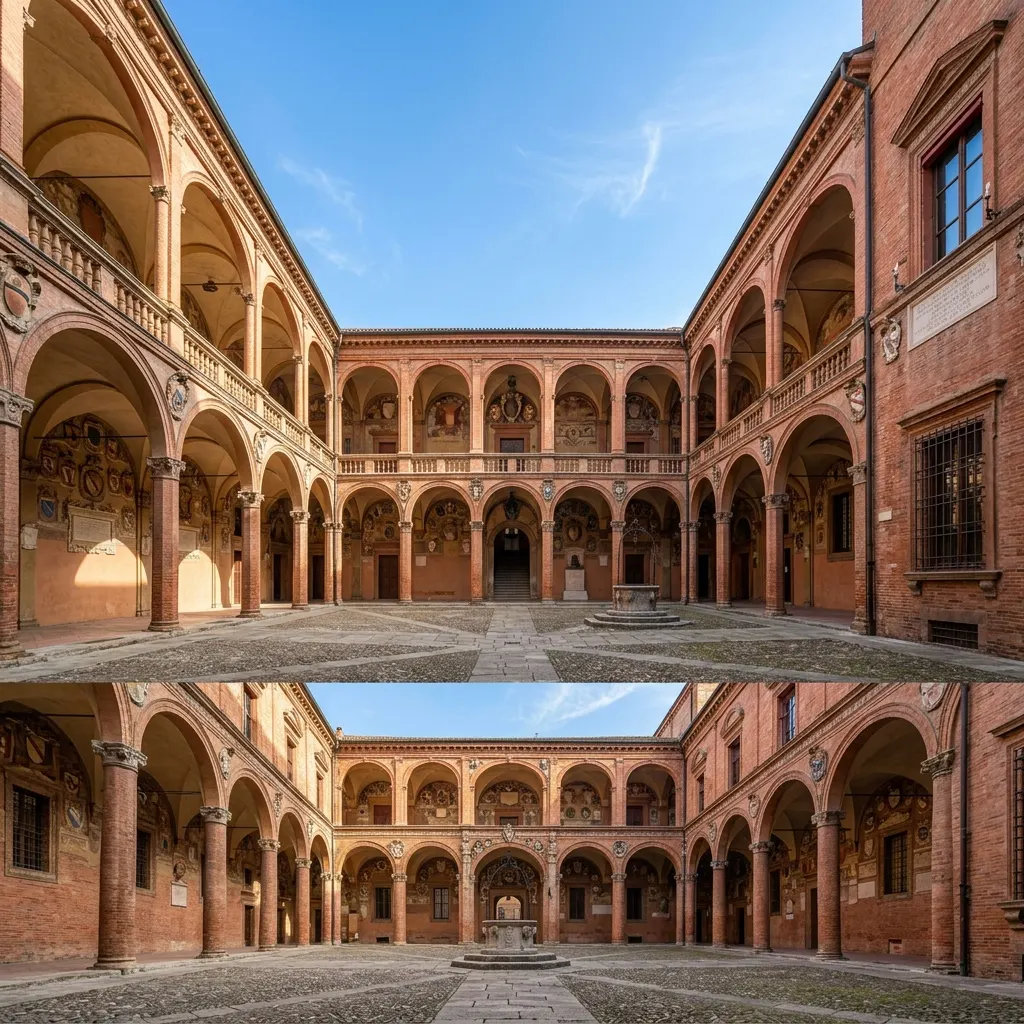
Choosing the right university in Italy is perhaps the most important decision for your academic success and student experience. In this post we look at the key criteria to consider when choosing a university.
The programme comes first
The commonest mistake in choosing a university is looking at the institution’s general reputation and neglecting the programme. Yet what really matters is the content, language of instruction, course structure and academic staff of the programme you will study. Different departments of the same university can be of very different quality. So first clarify your target field, then look for strong programmes in that field. Examining the programme’s curriculum and its internship and research opportunities gives a far more meaningful comparison than the institution’s general ranking. The right programme should align with your academic and career goals.
The language of instruction
Programmes in Italy may be run in Italian or English. Italian-taught programmes generally need a B2-level certificate; English-taught ones want IELTS/TOEFL. Which language you will study in affects both your application conditions and your daily life. Learning Italian eases staying in Italy in the long run, while an English-taught programme offers a faster start. You should make your language decision by your current language level and your long-term plans. You must set aside enough preparation time for the language certificates before applying.
City and cost of living
Choosing a university is also choosing a city. Big cities such as Milan, Rome and Bologna offer rich amenities but a high cost of living, while the southern and inland cities (Naples, Bari, Perugia, Palermo) are far more economical. If your budget is tight, the city choice is the most important factor setting your cost, together with a scholarship. The size of the city also affects the social life and internship opportunities. Balancing academic quality with the city cost is important for a sustainable student life.
Scholarship and cost suitability
The scholarship options of the university and region you choose play a big role in your decision. Some regions are more generous with DSU grants and more secure in funding. A university’s own merit scholarships vary too. So when choosing a university, research what financial support the institution and region can offer you. To see your scholarship eligibility, see our decision guide. Financial sustainability is the foundation of academic success too.
Academic reputation and rankings
Although rankings are not decisive on their own, they give an idea of an institution’s and programme’s international reputation. But you must look at rankings by field: a university mid-table in the general ranking may be world-class in your field. Also, post-graduation employment rates, sector connections and the alumni network are part of the reputation. Use the ranking as a starting point, but make the final decision by the depth of the programme. Reputation shapes your career opportunities too.
Application conditions
Each university and programme has its own entry conditions: some programmes want an entrance exam (for example the IMAT for medicine), others a portfolio or an interview. The quota and application calendar also vary from institution to institution. Learning these conditions before applying lets you set your goals realistically. Applying to a programme with conditions you cannot meet wastes time. For the documents and translations needed for the application, see our translation services section.
Internship and career opportunities
Especially in master’s and professional programmes, the internship and career opportunities the university offers are very valuable. Industry collaborations, internship programmes (such as those under Invest Your Talent) and a strong career office ease your path after graduation. The city’s economic structure affects internship opportunities too; there are more opportunities in industrial and business hubs. Choosing an institution that supports your career goals raises the return on your education. This dimension is often overlooked in long-term planning.
Build a decision matrix
To assess all these criteria together, build a simple decision matrix: score each candidate university on programme quality, language, city cost, scholarship eligibility, reputation, application conditions and career opportunities. This method prevents decisions based on emotion or incomplete information and shows you the most suitable option objectively. Once you decide, start document preparation early; for translations you can take a free quote, and for the process see our guide library.
Frequently asked questions
Is the ranking or the programme important?
The programme comes first; a department strong in your field is more decisive than the general ranking.
Which city is more economical?
The southern and inland cities (Naples, Bari, Perugia, Palermo) are far more economical than the big northern cities.
Should I consider scholarships when choosing a university?
Absolutely; the region’s DSU generosity and the institution’s scholarships directly affect your cost.
For the sworn translation of your documents in your Italy applications, you can take a free quote; for the processes, see our guide library, and for the scholarship channels, our scholarships section.